
The sneaker industry has seen an explosion of growth in recent years, with many consumers eager to get their hands on limited-edition designs and exclusive collaborations. However, this increased demand has also led to a surge in counterfeiting, with many fake sneakers flooding the market. To combat this issue, some manufacturers have started using RFID tags on their products. But can these tags really help fight counterfeiting?
The answer lies in the unique characteristics of RFID chips. Each chip has its own globally verified unique UID (Uniform Identifier), which makes it impossible to clone or replicate. This means that even if a counterfeit sneaker maker manages to create an exact replica of a genuine shoe, they won’t be able to replicate the RFID tag’s UID.
But that’s not all. RFID chips also have a memory storage capacity that allows them to store traceable information about the product, including its origin, manufacturing date, and even the serial number of the production line it was made on. This means that if a genuine sneaker is found to be fake or counterfeit, Nike’s officials can use this stored information to track down the source of the fake product.
So, how do RFID tags work in practice? When a sneaker is manufactured, the RFID tag is embedded into the shoe along with other components like laces and outsoles. The chip then communicates with a reader device, which sends the unique UID and other stored information to a central database for verification. This ensures that every product is authenticated and accounted for, making it much harder for counterfeiters to sell fake products.
The benefits of using RFID tags in the sneaker industry are numerous. For one, it provides an added layer of security against counterfeiting, which can help prevent losses for manufacturers like Nike. It also helps to build trust with consumers, who know that they’re buying genuine products that have been verified and authenticated. Additionally, RFID technology can be used to track inventory levels, monitor production processes, and even provide real-time updates on product availability.
However, some critics argue that the use of RFID tags is not a foolproof solution against counterfeiting. They point out that while the unique UID and stored information can help identify genuine products, they can’t prevent counterfeiters from creating fake RFID chips or spoofing the system altogether. This means that manufacturers will still need to take additional measures to ensure the authenticity of their products.
Despite these concerns, many experts believe that RFID tags are an important step in the fight against counterfeiting. As the sneaker industry continues to grow and evolve, it’s likely that we’ll see even more innovative uses of RFID technology emerge. From tracking inventory levels to monitoring product performance, the possibilities are endless.
In conclusion, while RFID tags may not be a perfect solution against counterfeiting, they can certainly help to combat this issue in the sneaker industry. By providing an added layer of security and traceability, manufacturers like Nike can better protect their brands and build trust with consumers. As technology continues to advance and evolve, we can expect even more innovative solutions to emerge that will help keep counterfeiters at bay.
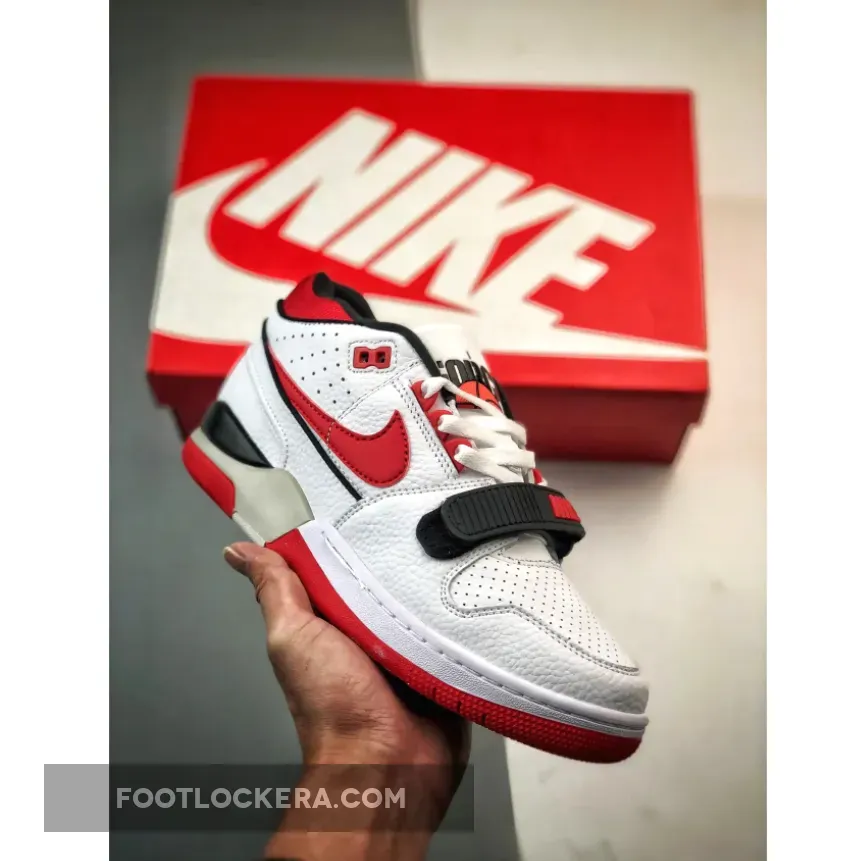 Buy From: Nike Air Alpha Force 88 “Chicago” White/University Red-Black